


EOL Final Test Equipment
HY EOL testing equipment — one-stop final inspection for electrical and optical quality. Modular quick-change design compatible with multiple products. Self-developed intelligent optical algorithms for accurate, efficient testing. Full MES data collection with traceability, guarding the final quality gate before products ship.
Why EOL Testing Equipment Matters for Automotive Electronics Quality
In automotive electronics manufacturing, end-of-line testing is the final quality gate before products reach customers — and it matters more than many manufacturers realize. EOL test equipment validates both electrical functionality and optical quality on fully assembled products, catching defects that earlier test stages miss. A single defective unit reaching the field can trigger costly warranty claims, damage brand reputation and even raise safety concerns for automotive applications. Modern EOL testers combine electrical measurement with optical inspection using calibrated imaging sensors, delivering quantitative, repeatable results that human visual inspection simply cannot match.
They also generate complete test records tied to each serial number, supporting traceability requirements under IATF 16949 and customer audit standards. For manufacturers scaling up production, investing in a reliable EOL tester isn’t an optional expense — it’s essential protection against quality escapes and a foundation for building long-term customer trust in competitive automotive supply chains.
Lire la suite
Options de personnalisation

Test Items & Parameter Configuration
Test items and pass/fail thresholds are customizable per product specs, covering optical parameters like brightness, chromaticity, uniformity and pixel defects plus electrical metrics such as current, voltage and communication. Each product uses its own parameter recipe for one-click switching.

Product Tooling & Fixture Customization
Custom tooling and fixtures are built for products of different shapes and sizes, ensuring precise positioning and reliable connections during testing. Quick-change structure allows simple, fast model changeover by swapping only the corresponding fixture.

Optical Algorithm Development
Custom optical algorithm development is available for specialized requirements like specific pattern recognition, anchor point detection and targeted uniformity analysis. Algorithms are modular, with test functions added as needed.

Electrical Test Channel Customization
Electrical test channels are customizable by product interface type, supporting automotive protocols like CAN, LIN and LVDS plus multi-channel voltage and current measurement. Adapts to products with different hardware architectures.
Product Overview
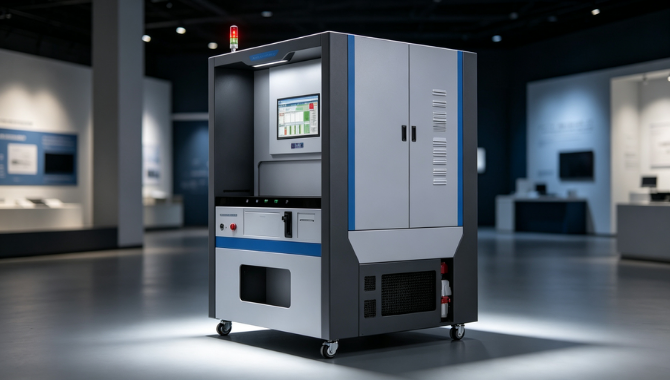
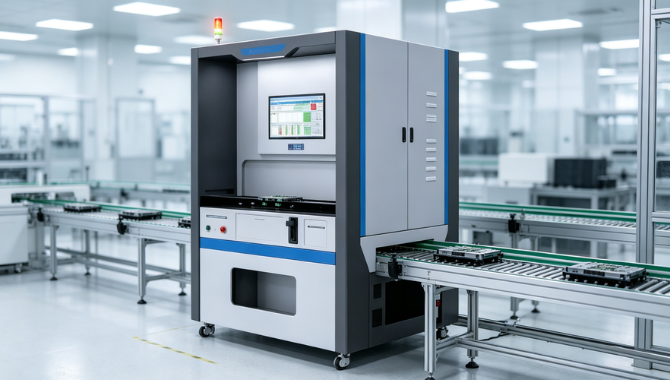
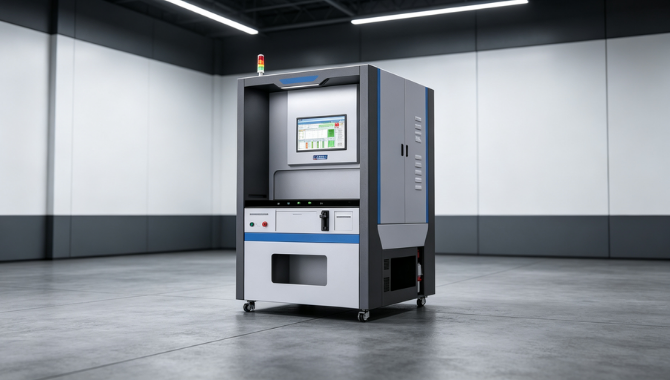
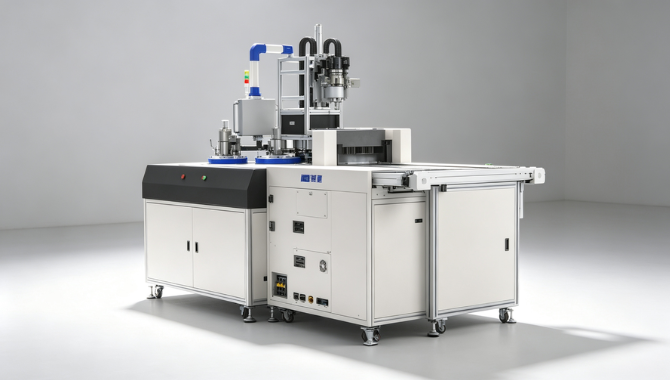
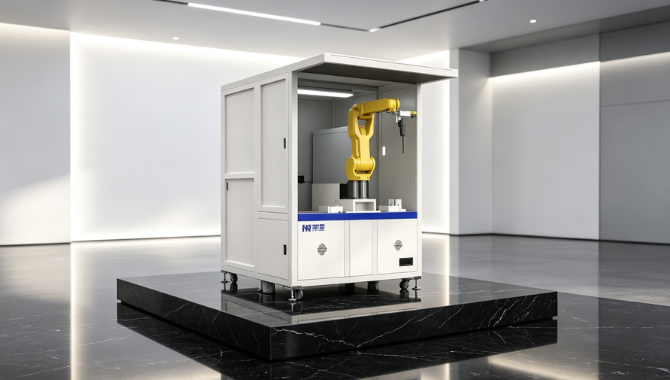
HY EOL Testing Equipment is an end-of-line inspection solution for automotive electronics and optoelectronic products, integrating two core modules: electrical performance testing and optical quality inspection. It performs comprehensive optical measurements including brightness, chromaticity and uniformity on finished assemblies while verifying electrical functionality and performance specifications. The equipment features modular quick-change tooling compatible with multiple product types, with switchable test algorithm configurations. Powered by proprietary intelligent optical data processing algorithms, it enables smart recognition and precise anchor point detection with custom algorithm development supported. A self-developed MES data acquisition system comes standard, uploading test data in real time to help manufacturers secure the final quality gate before products ship.
Key Features of Inspection Equipment
- Electrical performance testing of assembled products & optical quality inspection: brightness, chromaticity and uniformity analysis
- Modular Design: Quick-change tooling compatible with multiple product types; switchable detection algorithm configurations
- Intelligence: Smart optical data processing algorithms for intelligent recognition, precise positioning, and customized algorithm development for multi-product production
- Informatization: Self-developed customized MES data acquisition system for equipment
The Value of Combined Optical and Electrical EOL Testing
Many manufacturers still separate optical inspection from electrical testing on their production lines, using separate stations or even manual checks for each. Integrated EOL testers that combine both disciplines deliver clear advantages in efficiency, consistency and data quality. Having both test types in one station means products flow through a single unit instead of moving between stations, reducing handling time and the risk of damage in transit. More importantly, optical and electrical results are captured together for each unit, giving quality teams a complete picture of product performance instead of fragmented data from different systems. For optoelectronic products like automotive displays and lighting, optical defects and electrical issues often correlate — a dim display might indicate a driver circuit problem, not just a panel issue. An integrated tester makes these correlations visible. Combined testing also simplifies training, reduces floor space and lowers overall equipment cost compared with buying separate systems. For manufacturers producing display or lighting products, upgrading to an integrated optical-electrical EOL tester is one of the highest-impact quality investments available.
How Modular EOL Equipment Adapts to Multi-Product Manufacturing
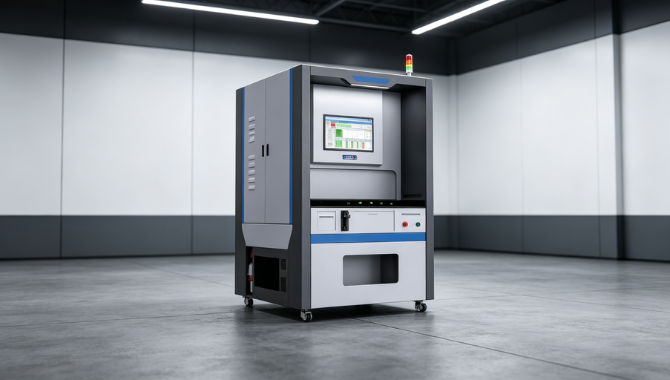
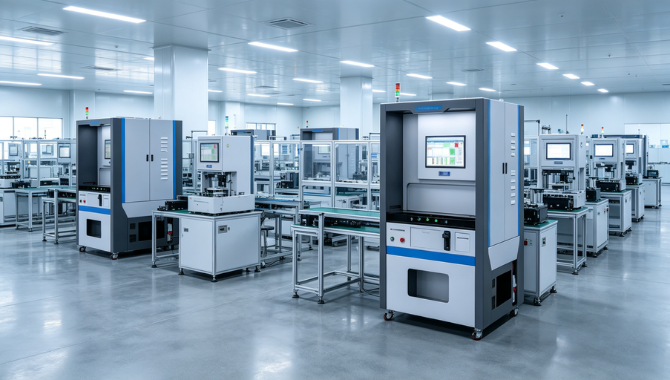
Few manufacturers run a single product on their test lines anymore — most handle multiple models, variants and even entirely different product families on shared equipment. Modular EOL testers are designed specifically for this reality. With quick-change tooling and fixtures, operators can switch between product models in minutes instead of hours, keeping line utilization high even with mixed production schedules. Under the hood, modular test software stores separate parameter recipes for each product, so the correct thresholds, test items and analysis algorithms load automatically when a new model is selected. This modular approach delivers real business benefits. It reduces capital expenditure by letting one tester serve multiple product lines instead of purchasing dedicated equipment for each. It shortens launch timelines for new products because the base tester platform already exists — only new fixtures and test profiles need development. And it improves overall equipment effectiveness by minimizing changeover downtime. For contract manufacturers and Tier-1 suppliers serving multiple customers with different product specs, a modular EOL tester isn’t just flexible — it’s strategically essential for staying competitive and responsive to changing production demands.
Intelligent Algorithms Advancing Optical EOL Inspection Capabilities
Optical EOL inspection has come a long way from simple pass-fail light checks. Today’s advanced testers use intelligent image processing algorithms that can identify subtle defects and perform complex measurements far beyond what traditional threshold-based systems handle. Smart recognition algorithms automatically locate test regions on each unit, even when products are slightly misaligned — reducing false failures from positioning variation and making operation less dependent on precise fixture placement. Precise anchor point detection algorithms identify specific reference marks on products and measure relative positions with sub-pixel accuracy, enabling dimensional and alignment checks that used to require separate vision stations. Custom algorithm development takes this further: manufacturers with unique inspection requirements can have specialized analysis routines built directly into their EOL tester, from pattern distortion detection to gradient uniformity analysis. These intelligent capabilities translate directly into better defect detection rates, fewer false rejects and more flexible testing across product variants. As automotive displays and lighting become more complex — with higher resolutions, curved surfaces and dynamic lighting effects — algorithm-driven optical EOL testing becomes not just an enhancement but a necessity for maintaining quality standards at production speeds. Working with an equipment supplier who develops algorithms in-house ensures the tester can evolve as product requirements change.
Application Fields & Scenarios

Automotive ambient lights, welcome lights and button backlights require brightness, color consistency and uniformity verification before shipping. HY EOL equipment performs full optical parameter testing on all interior lighting types plus electrical and functional verification, ensuring every unit meets OEM quality standards.

Medical device displays and surgical lighting sources demand highly accurate optical parameters. HY EOL equipment provides high-precision optical inspection with strict control of brightness, color temperature and uniformity — meeting the high quality demands of the medical industry.
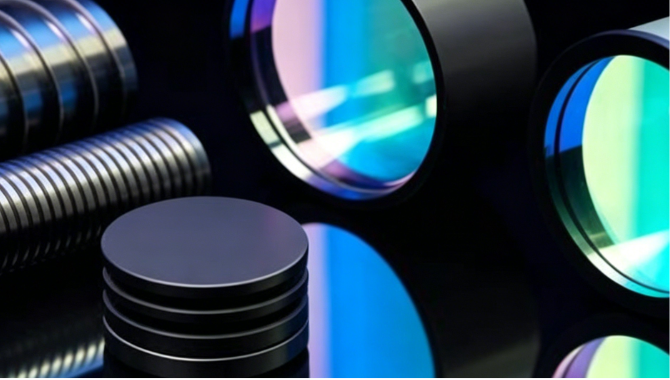
Electronic mirror systems require verification of both display and camera-side optical quality plus ECU electrical performance. HY EOL equipment integrates display optical inspection and camera imaging testing with electrical validation for comprehensive one-stop CMS system final testing.

Tablets, wearables and smart home displays require efficient 100% inspection. HY EOL equipment delivers fast optical testing of brightness, color and pixel defects with high accuracy, suited to high-volume consumer electronics production lines.

Produits apparentés
Alternative Names
EOL testing equipment/end of line tester/automotive EOL test system/optical EOL inspection/electrical performance tester/final inspection equipment/automotive electronics tester/display EOL testing/ambient light EOL test/CMS final inspection/imaging colorimeter tester/brightness uniformity testing/chromaticity measurement device/modular EOL tester/quick change test fixture/MES integrated tester/IATF 16949 testing/production line quality gate/optical electrical combined tester/automotive display tester/car lamp final test/consumer electronics EOL/medical device optical testing/intelligent optical algorithm/automated quality inspection/end of line quality control/production final test station/automotive quality testing/optical inspection cabinet/EOL test machine/final quality tester/display pixel defect test/luminance colorimeter test/HY EOL tester/custom EOL test solution/turnkey EOL testing/EOL data traceability/SPC quality data/test algorithm customization/vehicle electronics QC/optical measurement system/electronic component final test/production testing equipment/manufacturing quality assurance/automated optical inspection/EOL test bench/quality control equipment/automotive lighting test/display uniformity tester/factory end test system
Envoyez votre demande maintenant
 Français
  English
  Русский
  Español
  Português
  Tiếng Việt