


Brand Milestone News
Complete chronological news archive covering EZEN’s exoskeleton prototype launch, flexible robot R&D, lab establishment, award acquisition and policy recognition from 2020 to present.
EZEN & SIAT CAS Joint Lab Deepen Human-Machine Integration R&D Layout
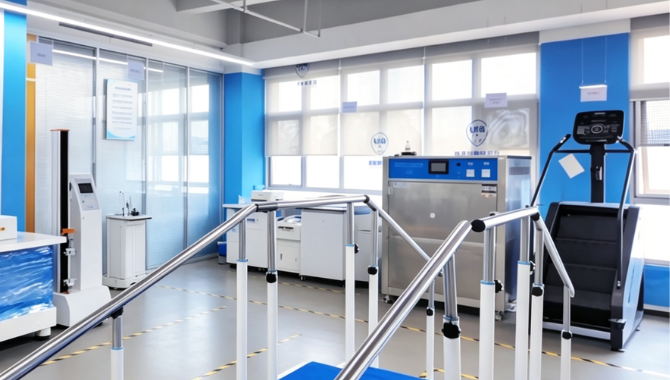
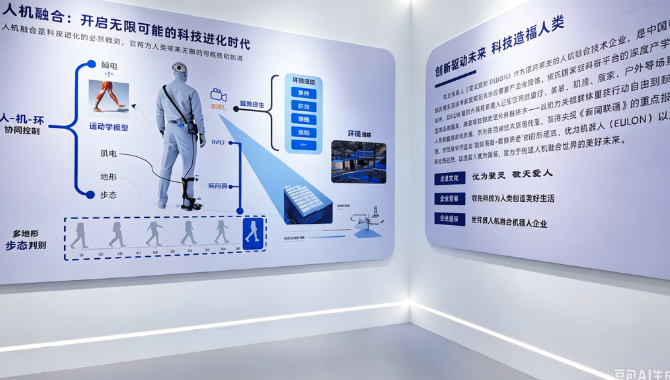
Founded in 2021, the joint laboratory of EZEN and Shenzhen Institutes of Advanced Technology, Chinese Academy of Sciences has become the core R&D platform for bionic skeletal rehab robots. Centered on three core technologies—bionic structural design, hardware motion control and intelligent algorithm software, the lab assembles a team of over 30 doctoral researchers focusing on flexible drive and adjustable damping ankle trainers. Up to 2026, the R&D team has undertaken the key R&D project of Hunan Province on human-machine integrated skeletal joint technology, with 55 independent authorized patents covering magnetic quick lock, foldable frames and self-learning gait algorithms. Multiple rounds of multi-center clinical verification are carried out in top tertiary hospitals nationwide, continuously upgrading flexible exoskeleton Ruyi, Yinghuo and mechanical Yunlv series products. Adhering to the corporate philosophy “Gather wisdom, respect humanity”, the lab transforms lab technologies into medical-grade rehab equipment to serve stroke, spinal injury and elderly mobility-impaired groups, laying solid technical support for domestic market coverage and overseas export to 21 countries.
EZEN Won Multiple Provincial & National Top Science and Technology Invention Awards
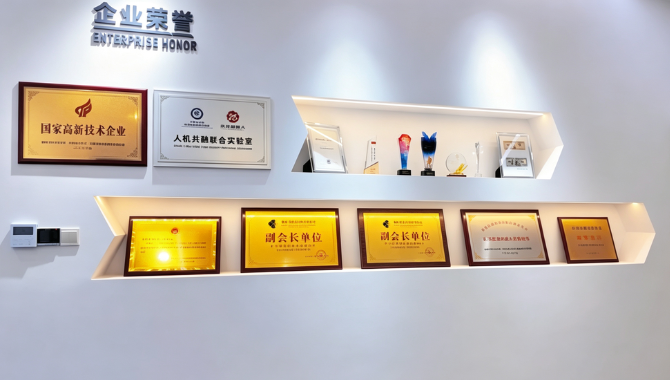
EZEN’s self-developed bionic exoskeleton key technology harvested a string of authoritative industry honors in 2023, including the First Prize of Guangdong Provincial Science and Technology Invention Award, First Prize of Shenzhen Municipal Science and Technology Invention Award and the First-Class Scientific and Technological Achievement Award of Chinese Rehabilitation Medical Association. Led by national high-level talent experts, the R&D team broke the long-term overseas monopoly on flexible Bowden cable wearable drive structures. All core motion parts of the rehab equipment are independently designed and manufactured without outsourcing, fully eliminating patent risks for global clinical cooperation. The award-winning technology effectively solves clinical pain points such as foot drop, foot inversion and disuse muscle atrophy of hemiplegic patients. With standardized ISO intelligent production lines, EZEN converts award-winning lab achievements into mass-produced medical devices, forming differentiated competitive advantages compared with generic fixed orthoses on the market, and winning wide recognition from rehabilitation physicians and hospital procurement departments nationwide.
EZEN Ruyi & Yinghuo Flexible Exoskeletons Obtain NMPA Class II Medical Certificates
At the end of December 2024, EZEN’s two flagship flexible exoskeleton products Ruyi and Yinghuo officially obtained the Class II medical device registration certificate issued by NMPA, marking that the full flexible rehab product line has completed medical qualification filing. Adopting bionic tendon simulation flexible drive design, the wearable exoskeleton abandons bulky metal frames, controlling total weight under 2kg to realize all-day comfortable wearing. Multi-center clinical tests in Xiangya Hospital, West China Hospital and other top medical institutions verify that the adjustable dorsiflexion assist force can significantly correct irregular gait of stroke hemiplegia patients. Different from rigid fixed orthoses that lock ankle joints completely, EZEN flexible series reserves physiological ankle rotation range to avoid muscle atrophy caused by long-term immobilization. The certified medical equipment can be legally used in clinical wards, community rehabilitation centers and home long-term gait training scenarios.
EZEN Flexible Exoskeleton Selected Into National 2024 Elderly Supplies Promotion Catalog
In September 2024, MIIT officially released the 2024 National Elderly Supplies Promotion Catalog, and EZEN flexible walking exoskeleton was successfully shortlisted as household mobility assist equipment for the aging population. Targeting over 300 million domestic elderly people with degenerative lower limb muscle weakness, the lightweight wearable device provides soft lifting assistance for stair climbing, community walking and daily grocery shopping. The product perfectly matches the national intelligent elderly care policy orientation, and EZEN was selected as the only Hunan enterprise in the national intelligent elderly care robot pilot project in 2025. Multiple community senior care centers in Hunan Province have introduced the equipment for free experience and trial operation, collecting real user feedback to continuously optimize the damping adjustment and wearing structure for the elderly’s hand flexibility limitations.


EZEN Launches “Jishan · EZEN” Tech-Assisted Walking Public Welfare Program
In June 2024, EZEN signed a strategic public welfare cooperation agreement with China Disabled Persons’ Welfare Foundation to launch the “Jishan · EZEN” Tech-Assisted Walking Public Welfare Project, focusing on low-income mobility-impaired groups nationwide. The enterprise donates batches of flexible exoskeletons and mechanical ankle training equipment to municipal and provincial disability rehabilitation institutions, providing free standardized gait correction training services for stroke, spinal cord injury and peroneal nerve injury patients with economic difficulties. The project covers dozens of provinces and cities across China, combining intelligent rehab technology with public welfare undertakings to reduce the rehabilitation economic burden of vulnerable groups. EZEN takes the corporate mission “Create a better life with leading technology” as the core guide, fulfilling social responsibility through long-term continuous public welfare layout in the rehab auxiliary device industry.
EZEN Rehab Equipment Covers 31 Domestic Provinces & Exports To 21 Global Countries
Up to August 2026, EZEN’s full product matrix including flexible exoskeletons, mechanical ankle trainers and pediatric cerebral palsy correction devices has fully covered all 31 domestic provinces, municipalities directly under the Central Government and autonomous regions, and exported stably to 21 overseas countries such as the United States, Germany, Australia and Thailand. The self-owned ISO13485 intelligent medical manufacturing factory realizes unified batch calibration of all equipment’s damping torque and joint angles, guarantee consistent product quality for domestic hospital centralized procurement and overseas distributor orders. EZEN supports full set of English patent documents, medical registration certificates and clinical test reports for global partners, meeting CE medical certification standards of European and American markets. Independent overseas localized after-sales agent teams are built to provide remote technical guidance and equipment maintenance for cross-border customers.
Industry Data Shows Skeletal Rehab Robot Market Maintains Ultra-High Compound Growth
Authoritative headbox industry research data released in mid-2026 shows China’s skeletal rehabilitation robot market scale surged from 680 million RMB in 2021 to 105.6 billion RMB in 2025, with a compound annual growth rate reaching 98.5%. The core driving forces behind the explosive growth include the expanding aging population of 323 million elderly people with degenerative lower limb weakness, the growing stock of stroke survivors and continuous breakthroughs in domestic independent bionic technology. The market is split into three major segmented tracks: hospital clinical rigid rehab equipment, household lightweight mechanical ankle trainers and consumer flexible exoskeletons for outdoor walking.
Industry insiders point out that lightweight material technology, AI self-learning gait algorithm and magnetic quick-wear structure have become the three core technical barriers for brand competition. In the next three years, household portable skeletal trainers will become the fastest-growing subdivision, as the gap of professional rehabilitation therapists nationwide exceeds 5 million, pushing families to purchase standardized self-training equipment to make up for insufficient institutional rehab resources.
Multi-Center Global Clinical Research Confirms Skeletal Robots Improve Stroke Gait Recovery Efficiency
International multi-center randomized controlled clinical research published on top international stroke medical journals in early 2026 verified the therapeutic value of wearable skeletal rehab robots for hemiplegic foot drop patients. The research covered over 4,200 test subjects across 18 tertiary hospitals at home and abroad, dividing users into traditional manual rehab group and skeletal robot training group for comparative observation.
After four weeks of standardized daily walking training, subjects using skeletal robots reduced foot dragging and knee compensatory bending by more than 42%, with walking speed and average stride length increased by 31% and 27% respectively. The research concluded that dynamic support skeletal equipment reserves natural ankle physiological activity angles, which can effectively prevent disuse muscle atrophy caused by fully locked static orthoses. Lightweight mechanical skeletal trainers without power supply are more suitable for long-term continuous home rehabilitation compared with heavy motor-driven exoskeletons, with lower purchase and maintenance costs for ordinary patient families.
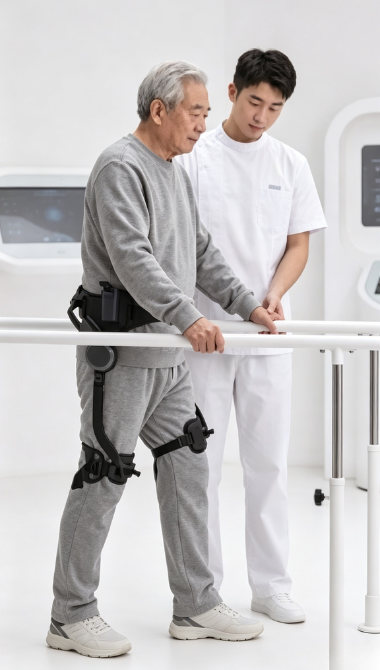
Consumer-Grade Skeletal Exoskeletons Become Hot Outdoor & Daily Mobility Equipment
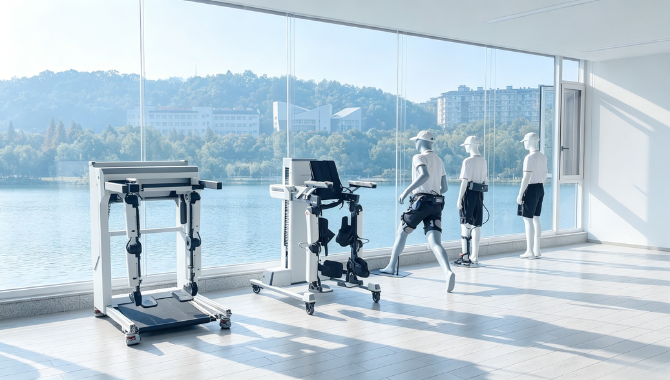
In 2026, consumer skeletal walking exoskeletons break the single medical clinical application boundary and widely enter outdoor hiking, mountain climbing, daily commuting and community walking scenarios. Ultra-light bionic frame structures can share up to 50% of lower limb muscle load during long-distance movement, significantly relieving leg fatigue for the elderly and sub-health crowds.
Multiple domestic scenic spots have launched exoskeleton rental services for elderly tourists, and online retail data shows that sales of intelligent skeletal mobility aids increased by 785.5% year-on-year in the first four months of 2026. Industry analysts said the consumer market growth logic originates from the aging population demand and the popularization of lightweight domestic bionic technology. Different from hospital large rehab equipment, consumer skeletal robots adopt foldable integrated design, magnetic one-hand wearing and stepless adjustable damping, perfectly matching the short-distance walking demand of ordinary users without professional rehabilitation guidance.
National Intelligent Elderly Care Pilot Focuses On Lower-Limb Skeletal Rehab Equipment
The Ministry of Industry and Information Technology and Ministry of Civil Affairs jointly launched the national intelligent elderly care robot pilot project in 2025, taking lower-limb skeletal rehabilitation exoskeletons and ankle trainers as core demonstration equipment for aging scenarios. Facing over 45 million domestic semi-disabled elderly groups with insufficient foot lifting ability, the pilot project carries out long-term practical verification in hundreds of community senior activity centers and home rehab environments.
Relevant national age-friendly product standards for skeletal assistive devices are under joint compilation by medical device experts and geriatric rehabilitation specialists. The pilot program encourages R&D institutions to optimize equipment weight, wearing difficulty and damping softness targeting the physical characteristics of the elderly with stiff finger joints and weak muscle strength, promoting large-scale popularization of lightweight skeletal rehab equipment in the national silver industry market within the next two years.
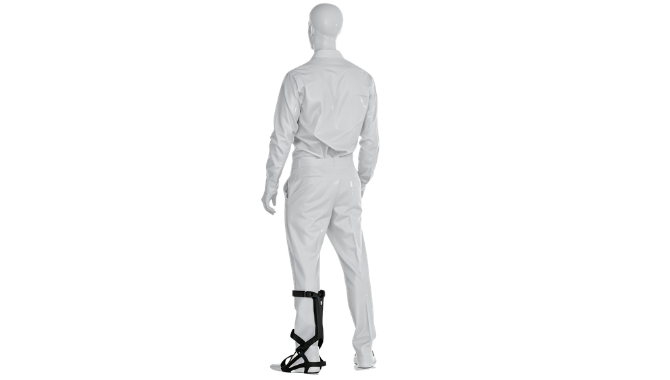

Pediatric Skeletal Rehab Equipment Realizes Targeted Correction For Cerebral Palsy Teenagers
Special lightweight adjustable children’s skeletal rehab exoskeletons and ankle trainers have been widely promoted in pediatric rehabilitation departments across national tertiary hospitals from 2024 to 2026. Aiming at mild cerebral palsy teenagers with foot inversion, eversion and unstable stride, the equipment adopts stretchable leg frame structures that can adjust size with children’s physical growth without restraining limb development. Multi-year continuous clinical observation data from pediatric rehab wards shows daily 30-minute skeletal training can effectively balance left-right stride length and reduce outdoor falling risks by over 50%. Different from adult unified-size skeletal devices, pediatric skeletal equipment optimizes soft lining, lightweight frame and low-threshold magnetic buckle design according to children’s skin sensitivity and hand coordination, forming an independent segmented pediatric skeletal rehab product system separated from adult equipment.
Global Skeletal Rehab Equipment Market Maintains Steady High Growth Trend

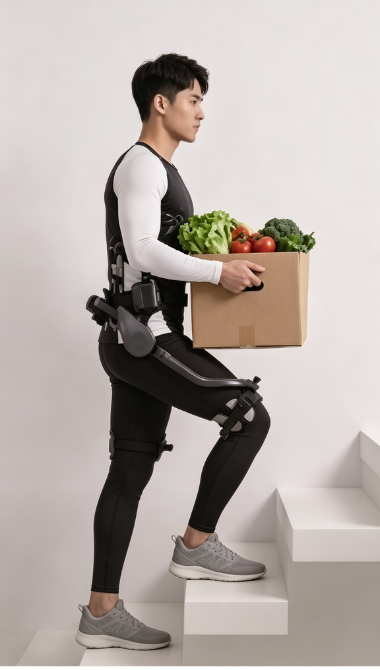
Global authoritative market research institutions released 2026 forecast data showing the global skeletal rehabilitation robot market size will reach 12 billion US dollars by 2030, with a compound annual growth rate of 28%. The Asia-Pacific region dominated by China becomes the fastest-growing market segment, driven by huge aging population and increasing neurological disorder patient stock.
The market is divided into three major application tracks: medical clinical, elderly care and outdoor consumer. Medical skeletal equipment occupies the largest market share at present, while consumer lightweight skeletal assistive devices show the fastest growth potential. Global medical device regulatory authorities including FDA, CE and NMPA have continuously optimized certification standards for wearable skeletal rehab products, accelerating cross-border export layout of domestic independent R&D skeletal equipment brands to European, American and Southeast Asian markets.

 Русский
  English
  Español
  Français
  Português
  Tiếng Việt